
Expert Interview with Alan Venook, MD, on colorectal cancer and the promise of immunotherapy for prevention and treatment
Posted February 9, 2023 –

Dr. Alan Venook is a nationally renowned expert in gastrointestinal cancers such as colorectal cancer (CRC) and liver cancer. He is based at University of California, San Francisco (UCSF) and holds the Madden Family Distinguished Professorship in Medical Oncology and Translational Research. He is also the Shorenstein Associate Director for Program Development at UCSF’s Helen Diller Family Comprehensive Cancer Center. Dr. Venook has a deep interest in clinical trial designs for the treatment of gastrointestinal malignancies and served as the Chair of the Gastrointestinal Committee of the Alliance for Clinical Trials in Oncology.
Dr. Venook earned his bachelor’s degree from Rutgers University, and his medical degree from UCSF. He completed his residency in internal medicine at UC Davis. He joined the faculty of UCSF in 1988.
In this interview, Dr. Venook shares his thoughts on:
- His motivation to focus on gastrointestinal (GI) cancers
- A recent study that shows the promise of first-line immunotherapy for rectal cancer (Cercek et al., 2022. New England Journal of Medicine – NEJM) and its implications for future treatments and Lynch syndrome patients
- The relevance of the gut microbiome to CRC and cancer treatments
- The shifting demographic in colorectal cancer (CRC)
- Changes in screening recommendations
- How to be an informed patient
- His observations regarding the difference between right- and left-sided colon cancer
Dr. Venook, you specialize in gastrointestinal (GI) cancers and have been in the field for many years. What spurred your interest GI cancers and especially colorectal cancers (CRCs)?
I wanted to work in an area that was really underserved and underexplored, and GI cancer seemed like a good area. Frankly, it was a practical issue of where the opportunities were; finding an area that was open and had opportunities for me. Obviously, I find it very interesting. CRC, particularly, is unique in that it’s one of the very few cancers that can be cured even after it’s metastasized. We didn’t know that when I started and ours was one of the first groups to demonstrate it. We’ve learned a lot about the disease since I started. We have a lot of treatments for CRC now, but it’s a complex disease and we are still playing catch-up. It has been challenging especially with the limits of efficacy of immunotherapies.
On the topic of immunotherapy, what do you think about the recent study (Cercek et al., 2022, see summary below) that treated rectal cancer patients with neoadjuvent immunotherapy and saw complete remission in all patients?
This is the first study I have seen that shows complete remission in every single patient. Nothing’s ever hundred percent, so they must not have treated enough patients to see non-responders. Nonetheless, it’s remarkable that every single patient treated went into remission. It is also remarkable that there was no toxicity. I believe that this may be the only journal paper I’ve ever seen on a clinical trial that had no toxicity. Again, they probably didn’t treat enough patients.
Memorial Sloan Kettering (MSKCC) has sort of led the field in what’s called “total neoadjuvant therapy” (TNT) for rectal cancer. In TNT, chemotherapy and radiation is done up front before surgery. Memorial had looked at TNT in dMMR/MSI-high patients and found that a surprising number of patients didn’t get the full benefit of neoadjuvant chemotherapy, about one out of three did not (Cercek et al., 2020). Based on those results, it seemed logical to flip the paradigm and go with the immune checkpoint inhibitors (ICIs) upfront.
A previous study from the Netherlands (NICHE study) (Chalabi et al., 2020) had looked at immunotherapy in patients with primary colon, not rectal, cancers in a neoadjuvant setting – ICIs given as primary treatment. They took the patients to surgery six weeks in, so, they really didn’t get a definitive glance, but they still saw really marked responses.
How long do you think it takes for different ways of treating patients to be adapted into to mainstream care? With the low toxicity seen in this study by Cercek and others, there doesn’t seem to be a lot of harm in trying neoadjuvant ICI.
The short answer is that it depends. If it’s a subtle or nuanced difference, it can take a very long time. There’s harm if you’re not vigilant and miss opportunities. We have to follow the data, and when the data tells us to make changes, we should go ahead and make changes. But most oncologists don’t live and breathe one disease. Therefore they may go with what they’re used to, but it’s our job to be ready to turn on a dime.
A lot of cancer care is dictated by the National Comprehensive Cancer Network (NCCN) guidelines, rightly or wrongly. And I happen to be the vice chair of the NCCN panel for guidelines to colorectal cancer and this neoadjuvant immunotherapy will be in discussion. Do we change the guidelines? It’s all consensus. It’s unusual that a 12-15 patient study could change the standards of care, but I think this is one of the times where, in my opinion, it might. If you change the guidelines, you need to include the proper caveats about exactly what you have to do, the right follow up and surveillance, etc. You can’t be nonchalant about it.
A concern in moving ICI up front is that you may miss the opportunity with patients who don’t benefit from the ICI but may get substantial benefit from chemotherapy. I think that one of the problems with immunotherapy is that there is truly so much upside to immunotherapy that physicians don’t want to abandon it once they start it. Because they assume it’s going to work. They may start with a single agent and if it doesn’t work add in another. Then they may see so-called “Pseudoprogression.” I think there are more papers written about pseudoprogression than patients who’ve actually had pseudoprogression. It’s talked about a lot. The danger is that these patients may never get chemotherapy due to physician and patient bias, and that may disadvantage some patients who might benefit from chemotherapy.
Given the low toxicity, how feasible is it to use ICIs in primary prevention for high-risk individuals, such as Lynch syndrome patients who are at a high risk for developing CRC and other cancers?
It is an interesting question. The problem with the ICIs is that they could have major downsides. I have a patient who is a perfect candidate for everything else, got a single dose of the PD-1 blocker Pembrolizumab, an ICI, just one dose, and has essentially myasthenia gravis. The patient had to be intubated and has been in our rehab for four months. Myasthenia gravis is an autoimmune neurologic disease, which is admittedly very unusual, but it happens. Probably one in 25 patients on ICIs have a major consequence, therefore, going into healthy beings with that kind of risk is not tenable.
How good an indicator is the MMR/MSI status in predicting response to ICIs?
As seen in Keynote 177 (Andre et al., 2020; Diaz et al., 2022) and other studies, even dMMR/MSI-high colon cancer is not uniformly responsive to ICIs. However, in the recent Cercek et al., 2022 study, all dMMR/MSI-high rectal cancers responded. Why is that? There are many differences between the colon and the rectum. Memorial Sloan Kettering has collected a lot of biospecimens, so they’ll have a ton of molecular data and a real opportunity to figure out the differences.
Can you discuss the relevance of the gut microbiome to cancer therapy? What is your opinion on using the microbiome to predict treatment responses and direct treatments?
We’ve known that the gut microbiome influences treatment responses for a long time. One of the observations is with the conventional chemotherapy drug, Capecitabine, an oral chemotherapy drug that’s used frequently in patients with colon cancer. It was observed that patients in the US tolerate a much lower dose than patients in Europe. Now, we’ve got quite good evidence that that’s almost directly related to the microbiome. Capecitabine is a prodrug that has to be activated in a couple of steps by several enzymes in order to be effective. People can have biota with activating and/or inactivating enzymes. These enzymes can change how the drug is processed and can play havoc with the dosing and predictability of the drug.
The microbiome has a huge impact on the whole immune system. I think that’s why the immune therapies may not work well in colon cancer. It’s also probably why patients with liver metastases with MSI-high tumors are less likely to get benefits from ICI than those with other sites of metastasis. Because the liver is sort of an immune island.
The problem with the microbiome is that it is very complex. Until the last decade we didn’t have the computational power to even sort through it. It is said that there are more microbiota in the microbiome than there are cells in the human body. I don’t know who counted them, but that alludes to the complexity of the microbiome.
In the future, I expect the gut microbiome to be incorporated into detection and treatment of cancer. I won’t be in the field by then. Jim Allison won the Nobel Prize for ICIs that he’d been fiddling with for 10 or 15 years before he really put two and two together. Hopefully, we will figure out the microbiome and how it influences the immune system and immunotherapies without taking so long.
What other immunotherapy approaches apart from ICIs do you see as promising? Where does adoptive T cell therapy stand for CRC?
Ideally, you would want to generate a unique CAR-T (chimeric antigen receptor T-cell) for each patient. One challenge is that it takes several months to prepare the T-cells. And you need patients who are Olympic athletes, patients to be in very good condition. These patients will already be having standard therapies, and you hope that they don’t deteriorate while the T-cells are being prepared. There is also the issue of efficacy with this therapy. Another problem, with any therapy actually, is that the nature of the disease changes from the time you put a patient on the study to the time you actually get to treat them. This could be a very daunting experience. However, we do have a program at UCSF, and we’ve got some patients who’ve made it through.
What are the major challenges in CRC space right now?
The biggest issue right now is the preponderance of young people with CRC. For the last decade or so, we’ve been seeing an influx of young people with CRC. The incidence of CRC in people over the age 60 has gone down dramatically because of screening, but I would say that it’s made-up for by the increase in younger people. So, the net incidence is about the same.
A vast majority of cases are at advanced stages like stage 4, because colon cancer symptoms take a while to develop. We probably have two dozen patients in our care at UCSF who are under the age of 40 with advanced CRC. If someone happens to have a cancer that bleeds that is good luck because that could lead to early detection. Otherwise, the cancer can be there for years before its detected. Then, there are times when there are symptoms, but it doesn’t occur to the patient or the doctors that it could be CRC.
Is this why some recent recommendations for CRC screening have been lowered from age 50 to 45? Do you think we should make the age even younger?
Screening people starting at 45 is not going to improve early detection. I guess it’s better than starting at 50. But it’s not going to make a big impact because although there are some cases between the age of 45 and 50, for the most part, the real increase is in 30-to-35-year-olds. The problem with increased screening is that there aren’t enough gastroenterologists to do that. Also, when you do many colonoscopies, you’re going to increase the chance of complications.
We need to figure out a simple test that can be used to screen for CRC less invasively. For example, a test that would detect protein biomarkers in stool. Or oncRNAs (orphan noncoding RNAs) that are excreted by cancer cells. At a recent conference, I saw phenomenal data from assays that are so sensitive, they can find oncRNAs in the stool. They could be predictive of cancer and therefore can be used for screening and identifying those who then need to get a colonoscopy. But, if it’s too sensitive you’re going to be putting people through too many colonoscopies.
Factors that increase the risk in the general population have a worse impact on high-risk individuals, such as lynch patients with inherited risk. What are some of the reasons for increasing CRC among young adults that they should know about?
This increase of CRC in young individuals is really mind boggling. It doesn’t appear to have anything to do with heritable factors. Interestingly, it also does not appear to be due to the obesity epidemic. It’s not only people with bad diets or with fatty livers or metabolic syndromes; we also see otherwise healthy people. We even see patients who are marathoners or triathletes.
The other thing that’s even more distressing is the disproportionate impact it’s having on people of color. Recently, a famous African American actor died of colon cancer at age 43 – this is not an isolated incident.
Aside from screening to detect cancer early, what are (early) interventions or preventative measures that are available for high-risk individuals?
There is no preventive therapy so far. For people truly at high risk, like with familial polyposis, the only choice is to remove the colon. The problem is the rest of the bowels are at risk for polyps as well. These people will not infrequently succumb to small bowel or other problems.
You’ve run many clinical trials, what are some of the challenges in planning and running clinical trials?
One challenge is that large clinical trials can take a long time to complete. The CALGB/SWOG 80405 study was launched in 2004 and I presented the results at the American Association for Clinical Oncology (ASCO) meeting in 2014. It was an almost 20-year process with 2300 patients. So, you need to have patients and patience.
It is getting harder to recruit patients for large, randomized trials which is how you would like to ask a good scientific question and be vigorous. But patients will come already decided on what they want based on a relatives’ recommendation or an anecdote they’ve seen on social media. It is harder do a large trial with a control or placebo arm.
How can one be an informed patient?
You want informed patients, but you don’t want them to be poorly informed or misinformed. There’s so much misinformation on the internet and we are constantly battling with it. It’s a real challenge. To me, it’s interesting that people may know about pharmacogenetics, how an individual patient’s genes effect the way drugs are metabolized. A common chemotherapy for multiple types of cancer is Fluorouracil (5FU). There’s an enzyme responsible for metabolizing it called DPYD. Certain rare variants of this enzyme can put some people, maybe 2% or 3% of the population, at greater risk for complications. There’s an advocacy group of family members of people who had complications of 5FU who are pushing for everybody to be screened for variants in DPYD. If we test everyone, we will find high-risk variants, but we will mostly find variants that we have no idea what to do with. For patients with these variants, it will be unclear what to do. Do we reduce the dose and run the risk of having a reduced impact on the patient’s outcome?
Being informed also means understanding that there are a lot of unknowns. Doctors should be ready to explain to patients why they wouldn’t do a test, as opposed to more and more patients demanding tests and getting them done. You should only do a test if you’re prepared to do something with the results or know what to do with the results. I wrote an editorial a few months ago about a circulating tumor DNA (ctDNA) test (Venook et al., 2022). It was a blood test to find evidence that cancer was present in the body, but it couldn’t tell you where it was located, what you could do about it, etc. So, you are giving people a death notice with nothing to do about it.
You’ve demonstrated the difference in outcome between colon cancers developing in the right vs. left side of the large intestine. Can you explain the process of figuring this out?
We carried out the biggest colon cancer study in the US, the CALGB/SWOG 80405 study (Venook et al., 2017). Some aspects of our results were different from a study that was done contemporaneously in Europe. I was trying to figure out the biological reasons to how this difference could be explained, and we put right vs left location of tumor as something to think about. However, to simplify the data sheets, we had not included the location of the primary tumor. So, we had to look through 2400 charts to collect this information, which took a while.
Coincidentally, I was invited to give a memorial lecture for a colleague who had passed away. Looking through his publications in preparation for the lecture, I came across a very old study that basically looked at a bunch of therapies that we’ve long since abandoned. But in that paper, there was just a line that commented that patients with right sided primary lived for ten months while patients with left sided primary lived for fifteen months. This was many years ago when we were not nearly as effective with the therapies for colon cancer. I thought “wow” that’s a big difference. I’ve never heard that. I was stunned that nobody followed up on it. So, this motivated us to look into the sidedness of the tumors.
In our study, we saw a stunning 15 – 16-month difference in survival between left- and right-side patients. And genetically it makes sense because the right and left colon come from different embryonic structures – the right colon comes from the midgut and the left colon comes from the hind gut. We are trying to understand the molecular features that make the right vs left colon cancer different, but we don’t have an answer yet.
I love to talk about this observation that the right and left side cancers are different, for which I am credited for figuring out. But it’s embarrassing that I’ve been taking care of patients for all these years and hadn’t figured it out before. It’s very humbling.
Dr. Venook, it has been such a pleasure talking with you. Many thanks for sharing your insights.
Promise of immunotherapy for DNA repair deficient rectal cancer, Cercek et al. 2022 NEJM
Summary: This small but significant study establishes the efficacy of immunotherapy as first line/primary treatment for a type of DNA repair-deficient rectal cancer. The patients received a type of immunotherapy known as immune checkpoint inhibitors (ICIs). ICIs act by releasing the molecular breaks put on by cancer cells on the immune cells to stop the immune system from identifying and destroying them. The ICI given in this study was dostarlimab. It was given to the patients every three weeks for six months. This was different from standard practice in that immunotherapy was given as the first line treatment i.e., in a neoadjuvant setting before the main treatment. Surgery was planned for after immunotherapy. At the end of the six-month treatment cancer had disappeared in all 18 patients, and they avoided the need for surgery.
All the cancers in this study were deficient for a type of DNA repair called mismatch repair (MMR). Inability to repair errors in DNA due to deficiency in MMR (dMMR) results in high microsatellite instability (MSI-H) and the expression of cancer-specific proteins that help immune system identify the cancer cells.
This study is of particular interest to Lynch syndrome patients because they carry inherited mutations in MMR genes that put them at a high risk for CRC among other cancers. It raises the possibility of immunotherapy as first line therapy for Lynch patients with rectal cancer.
This study was conducted by Memorial Sloan Kettering Cancer Center (MSKCC) in New York with Dr. Luis A. Diaz Jr. as lead investigator.
Glossary:
Adoptive T cell therapy: A type of immunotherapy in which T cells (a type of immune cell) are given to a patient to help the body fight diseases, such as cancer. CAR-T is a type of adoptive T cell therapy, where the T cells are modified to better target and kill cancer cells before giving to the patient.
Familial adenomatous polyposis (FAP): A type of hereditary colorectal cancer, caused by pathogenic mutations in the APC gene. Many polyps (abnormal growths) form in the colon and the rectum and these may develop into cancer.
Immunotherapy: A type of treatment that uses a patient’s own immune system to fight cancer. Treatments may stimulate/activate the immune system to better identify and attack cancer. Includes checkpoint inhibitors, CART-cell therapy, cancer vaccines.
Immune Checkpoint inhibitor (ICI): A type of immunotherapy. Although the immune system can recognize many cancers and destroy them, the cancer cells develop ways to evade the immune system. They can produce “immune checkpoints” that can suppress the immune response, to put “breaks” on the immune response. Immune checkpoints are normally used to prevent autoimmune reactions against healthy cells of the body. ICI drugs like PD-1/PD-L1 and CTLA-4 inhibitors take these breaks off the immune system, to help it recognize and attack cancer cells.
Lynch syndrome: The most common inherited CRC syndrome caused by germline pathogenic variants in DNA mismatch repair (MMR) genes (MLH1, MSH2, MSH6, and PMS2) and EPCAM. Affected individuals have an elevated risk of developing CRC as well as certain other cancers.
Mismatch repair (MMR) and Microsatellite instability (MSI): Mismatch repair (MMR) is a type of DNA repair pathway that is present in the cell. MMR pathway components are encoded by genes such as (MLH1, MSH2, MSH6, and PMS2). MMR-deficient (dMMR) tumors have mutations in MMR genes and are thus unable to correct certain errors, resulting in tumors with high microsatellite instability (MSI-high) and mutational burden.
Neoadjuvant therapy: Treatment given first before the main treatment such as surgery.
Pseudoprogression: A phenomenon in which an initial increase in tumor size is observed, followed by a decrease in tumor burden. This phenomenon can benefit patients receiving immunotherapy but often leads to premature discontinuation of treatment owing to the false judgment of progression.
References:
Andre et al., 2020. NEJM. Pembrolizumab in Microsatellite-Instability-High Advanced Colorectal Cancer.
Cercek et al., 2020. Clin Cancer Res. Mismatch Repair-Deficient Rectal Cancer and Resistance to Neoadjuvant Chemotherapy.
Cercek et al., 2022. NEJM. PD-1 Blockade in Mismatch Repair–Deficient, Locally Advanced Rectal Cancer.
Chalabi et al., 2020. Nat Med. Neoadjuvant immunotherapy leads to pathological responses in MMR-proficient and MMR-deficient early-stage colon cancers.
Diaz et al., 2022. Lancet Oncol. Pembrolizumab versus chemotherapy for microsatellite instability-high or mismatch repair-deficient metastatic colorectal cancer (KEYNOTE-177): final analysis of a randomised, open-label, phase 3 study.
Venook et al., 2017. JAMA. Effect of First-Line Chemotherapy Combined With Cetuximab or Bevacizumab on Overall Survival in Patients With KRAS Wild-Type Advanced or Metastatic Colorectal Cancer: A Randomized Clinical Trial.
Venook et al., 2022. JAMA. Colorectal Cancer Surveillance with Circulating Tumor DNA Assay.
Expert Interview with David Reese, MD, on cancer prevention and precision medicine
Posted June 23, 2022 –
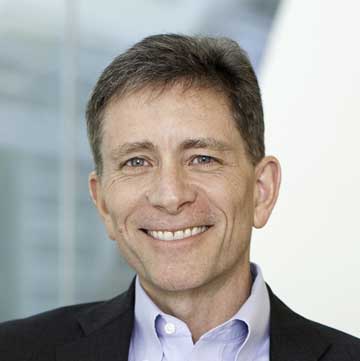 Dr. David Reese is Executive Vice President, Research and Development (R&D) at Amgen. In his current role, he oversees Discovery Research, Global Development, Global Regulatory Affairs and Safety, and Global Medical. Prior to his position as head of R&D, he was the Senior Vice President of Translational Sciences and Oncology where he oversaw translation of Amgen’s drugs from the lab to the clinic and guided Amgen’s overall oncology strategy. He started his career as a clinical oncologist and was involved in a multitude of clinical trials that tested the safety and efficacy of cancer drugs, including trials for Herceptin/Trastuzumab, one of the first targeted therapies to be developed and which is used to treat certain types of metastatic breast and other cancers. He did his undergraduate studies at Harvard College and received his medical degree from the University of Cincinnati College of Medicine. In this interview, Dr. Reese shares his career path, views on the opportunities and challenges to developing cancer prevention drugs, and thoughts on precision medicine. This article represents Dr. Reese’s personal views as an individual and cannot be attributed to Amgen.
Will you briefly describe to us your background and career path?
I am currently the head of research and development (R&D) at Amgen. I have been at Amgen for almost 17 years now. I was trained as a medical oncologist. After medical school, I did my training at University of California, Los Angeles (UCLA). I was a fellow and postdoc in the laboratory of Dennis Slamon, MD, PhD (1, 2) when the antibody that became Herceptin/Trastuzumab was going through preclinical work and then being developed. Following my tenure at the Slamon lab, I became a faculty member at UCLA, then at University of California, San Francisco (UCSF), and back at UCLA again, mostly doing translational research. My niche was early phase drug development. I moved to Amgen in 2005.
I have had a variety of roles in research and development at Amgen, initially running drug development programs in oncology, then the early oncology portfolio, then the entire early development portfolio across therapeutic areas – we focus on oncology, inflammation, and cardiometabolic disease. Then I ran what we call translational sciences, which had early development plus various other arms – toxicology, pharmacokinetics, metabolism, etc. I was part of the R&D leadership team, and then became head of R&D about four years ago. In my current role, I am responsible for crafting our research and development strategy and guiding those efforts.
Tell us a little more about the development of Herceptin/Trastuzumab.
HER-2 is a protein that is overexpressed, amplified, or, more rarely, mutated in a number of human cancers including breast, ovarian, and lung cancer. Overexpression or activation of HER-2 contributes to the increased proliferation and survival of cancer cells. At the Slamon lab, we were working on a mouse antibody (antibody 4D5) that could bind to HER-2 and block it, inhibiting its cancer promoting functions. This mouse antibody was later humanized and developed into Herceptin. UCLA was pivotal in the clinical trials and in addition to the pre-clinical studies, my colleagues performed the early combination trials for Herceptin/Trastuzumab as well.
In those days, platinum was not thought to be an effective agent against breast cancer. However, the team at Slamon lab had developed evidence that there was a synergistic interaction between Herceptin and platinum agents (3). Long story short, the effects of combinatorial treatment with Herceptin and chemotherapeutic agents were established in the phase III trial results in 1998 (4). Remarkably, a patient from this trial who had metastatic breast cancer and was treated with platinum plus Herceptin remained alive and in complete remission for many years.
Obviously, a large number of people worked on this over many years, and I had my very tiny little piece.
What are your thoughts on prevention or early interception of cancer?
The first question for me is in determining which tumors are clinically relevant within the context of early detection. Prostate cancer in a 90-year-old male is not something to intervene on, but acute leukemia is a different story and needs attention.
The second big issue is in detection. Do we have the technologies to detect tumors at the very early stages? There are several companies now sequencing circulating tumor DNA in the blood to detect tumors. Some of these tests are clearly detecting existing tumors. The technologies that allow for the early detection of cancer are coming. In the future, we are clearly going to screen for a full panel of cancers. On the molecular level, we can divide breast cancer into discrete diseases, and the same can be said for lymphoma and some other malignancies. Ultimately, where we want to get is to be able to screen using a blood-based assay for molecular signatures that can precisely detect or predict tumors. But we are still in the basic stage of this technology.
Right now, we’ve got a bunch of observational data from these tests. To me one real question with many of these data is in the validation of them. A really important question is, if you get a positive result, what does it mean? What if the imaging studies are negative, which they may well be because the number of cells may be well below the limit of detection. What do you do? How many of those patients with positive results will develop clinically evident cancer, and over what period of time? I don’t know whether there are any ways to answer these questions, except for doing very long longitudinal studies. I would love to hear of other approaches, but it is hard to get beyond the logic that you will need these big studies.
Are you optimistic that we are going to improve on current cancer detection methods?
That is another question: Are the new tests any better than the current methods? How do they compare with standard screening? But we’re not even equipped to answer that question yet. We need to take the first step before we take that second step.
You are taught as an intern, “Don’t order a test unless you’re going to do something with the results.” Because otherwise, you’re just going to create grief for everyone. So, for me this is a philosophical issue. If you are the “we have to do everything as early as possible and I want to know everything” kind of person, you are going to say “test.” If you are at the other end of the spectrum, you might say “I’ll do the standard stuff and I’ll wait to see how this technology evolves.” Given the gap in knowledge, these are both perfectly rational approaches right now. It’s no one’s fault, it is just the state of the art. To me we must address those big buckets; without that I don’t see a way forward.
We are collecting large amounts of observational data from these studies, and it is important. However, at a certain point these data are limited in what they can tell you. We need to prove that this technology is ultimately saving lives: that’s the real goal.
Do you think these initial tests, where they are gathering data, are more informative in a high-risk population, like one with inherited mutations in cancer predisposition genes, compared to the population at large?
If we have patients with an inherited predisposition, whatever it might be, BRCA1 or one of the many other mutations, now we have (by definition) identified a very high-risk population. The risk-benefit ratio in a population with inherited cancer gene mutations is very different to what I started with, which is a general population. With a high-risk population, we need to be more aggressive in our responses; if we pick something up, we’re going to do imaging every few months or other appropriate screening.
To me the high-risk populations are a proof of principle population in a way. It is an enriched trial population by definition. If the tests don’t work in the high-risk population, forget it, the chances of them working in the general population are low to none.
Where are we with the development of cancer prevention drugs? What is the interest in pharma?
Right now, that’s hard. Some of the the largest prevention studies to date (testing vitamins) gave us, in some instances, a contrary result in that those taking the preventive agent actually had higher rates of cancer. I think we will be much more keenly interested in prevention drugs once we feel that we have the right targets. We still have to solve many problems, such as accurately detecting cancer and validating and correctly interpreting the test results from detection tests.
What is your definition of precision medicine, and how can it influence cancer prevention and treatment?
From a drug developer’s perspective, precision medicine can be described by the simple phrase “the right drug, for the right patient, at the right time, and at the right dose.” It is obvious that oncology is where precision medicine has made the greatest inroads, because of molecular profiling of tumors and the advent of targeted therapies. I think we are just on the threshold of the era of human data that will lead to real precision medicine. It is part of our efforts to capitalize on the immense amounts of human data now available.
What do we mean by human data? At Amgen, we have sequencing data from hundreds of thousands of whole genomes. This is a huge increase from the couple of thousand we had a decade or so ago. But human data is not limited to genomics. We have genotypic data, combined with phenotypic data such as clinical information and demographic data, of two and a half million individuals. We also have total mRNA profiles (transcriptomics) and total protein profiles (proteomics) from tens to hundreds of thousands of individuals. So, this human data is not limited to genomics, it is multi-omic. This is more than 100 petabytes of data, even without including the real-life, clinical trial data we’ve got. This data will get richer in the future with biomarker work that will help predict disease progression and treatment outcomes.
The end game is not all these impressive amounts of data, but applying them to the individual patient, i.e., a true precision medicine. The folks who are able to ingest, aggregate, and critically analyze these large amounts of data are the ones who will push the field forward. We are in the early stages, but there are indications that this is coming fast. For example, it was known that the Artificial Intelligence (AI) company DeepMind was developing AlphaFold, a protein structure prediction program. But everybody thought it was still five or ten years off. Last July (2021), we went to bed one night and we woke up the next morning, and there were 350,000 predicted protein structures in a public database (5). The ability to predict the structure and function of a protein more quickly and efficiently using AI is an example showing that we are moving towards precision medicine very, very rapidly.
All this data and analysis will ultimately lead to precision medicine. I think it is sort of like the original motto of the United States “E Pluribus Unum”/ “from many, one,” meaning we will use the knowledge from large populations to help the individual patient.
What do you think are the biggest challenges in human data right now? Is it figuring out what to do with the data or is it figuring out how to cross-reference the data?
It is all the above. Of fundamental importance is the analytical engine. At a certain point the size of a dataset takes on a quality all its own, and we have reached that point and gone past that with our datasets. If you want to ship them somewhere, it takes two weeks over ultrafast pipes. It’s not like you pop up an excel spreadsheet. So, we have an enormously rich resource there.
It is also enormously dangerous. There is so much data that anyone with some smarts and a statistical package can find out a large number of correlations. What I always ask my team is, “which ones are true?” In genetics literature, a good fraction of papers published is reporting correlations, not true findings. It is similar to when microarray technology came out in the mid to late 90s. Everybody got a machine and all these papers came out. Many terrible papers came out because quality control was bad and the field had to clean itself up. I think we’re now at the moment in time with genetics data that, because of the ease with which you can do it, knowing what to do with it and how to correctly analyze it, is the challenge. It’s a smaller universe of folks that know how to do that accurately.
When it comes to cancer genomic data, aren’t most of what we have from late stage, malignant tumors? Aren’t genomic data from premalignant or early cancer stages still rare?
This is where I think some of the other technologies will be important because genomics in some ways is a starting point. We are looking at other areas such as cardiovascular disease, atherosclerotic cardiovascular disease. We have preliminary evidence, which I think almost certainly is going to pan out, that we can start to predict with a much higher degree of accuracy, which patients are going to have an event in the next few years based on changes in their proteome. Your genome is largely fixed. Your proteome varies over your lifetime. So, longitudinal sampling is critical here. What we’re interested in creating is a real precision medicine that can say, “hey, your proteome changed. We now know you’ve moved into a very high-risk category to have a myocardial infarction in the next two years, so aggressive intervention is warranted.” That’s where I think all of this is heading.
References:
- https://cancer.ucla.edu/research/find-become-a-member/meet-our-leadership/dennis-slamon-director-clinical-translational-research
- These reports detail preclinical studies that show that the combination of trastuzumab and chemotherapeutic agents have negative synergistic effects on HER-2 overexpressing cancer cells.
https://profiles.ucla.edu/dennis.slamon
- Antibody to HER-2/neu receptor blocks DNA repair after cisplatin in human breast and ovarian cancer cells. Pietras RJ, et al. Oncogene. 1994. PMID: 7911565
- Inhibitory effects of combinations of HER-2/neu antibody and chemotherapeutic agents used for treatment of human breast cancers. Pegram MD, et al. Oncogene. 1999. PMID: 10327070
- Rational combinations of trastuzumab with chemotherapeutic drugs used in the treatment of breast cancer. Pegram MD, et al. J Natl Cancer Inst. 2004. PMID: 15150302
- Results of two open-label, multicenter phase II studies of docetaxel, platinum salts, and trastuzumab in HER2-positive advanced breast cancer. Pegram MD, et al. J Natl Cancer Inst. PMID: 15150304
- Highly accurate protein structure prediction with AlphaFold. Jumper J, et al. Nature. 2021. PMID: 34265844
Expert Interview with Ray Deshaies, PhD, on drug development and cancer therapeutics
Posted on March 14, 2022 –
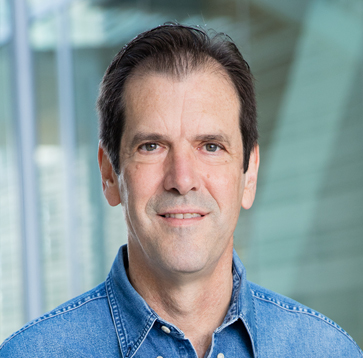 Dr. Ray Deshaies is Senior Vice President of Global Research at Amgen and a Visiting Associate at the California Institute of Technology (Caltech).
Prior to joining Amgen, Dr. Deshaies received his BS in biochemistry from Cornell University, and his PhD in biochemistry from the University of California, Berkeley. He performed his postdoctoral research at UC Berkeley and the University of California, San Francisco. This training led him to start his own research group at Caltech studying how cells dispose of proteins to maintain homeostasis and how disrupted regulation of this process leads to disease, including cancer. Building on this academic work, Dr. Deshaies co-founded several biotech companies to commercialize technologies with therapeutic potential.
Dr. Deshaies received numerous awards for his outstanding research contributions. He has been elected as a Fellow of the American Association for the Advancement of Science (AAAS), as a Member of the American Academy of Arts and Sciences (AAA&S), and as a Member of the National Academy of Sciences (NAS). He was also selected as a Howard Hughes Medical Institute (HHMI) investigator.
In this interview, Dr. Deshaies explains the path to his current role at Amgen. He gives us the unique perspective of someone who has experience in both academia and industry. He also describes many of the opportunities and challenges in drug discovery and cancer prevention and the necessity of both academic and industrial efforts in bringing innovative new medicines to patients.
This article reports Dr. Deshaies’s personal views as an individual and cannot be attributed to Amgen.
Could you tell us what inspired you to go into biomedical sciences?
My interest in biology started with an interest in plants. I grew up in inner city Connecticut and we had this tiny little yard next to our house where my dad would grow tomatoes. I started helping him, and then I started growing plants myself. It was a hobby, but something I became quite interested in. On a family friend’s suggestion, I applied and got into Cornell because they had a good agriculture school. My prospective major was horticulture, but I also had to take classes in the basic sciences – chemistry, basic biology, and physics. I became interested in understanding biology at a molecular level. Subsequently, I changed my major to Biochemistry and focused my undergraduate and graduate studies in this area.
After a long tenure at Caltech you left academia to work in industry. You’ve had a very successful academic research career and had been recognized for your contributions. Can you tell us what influenced your decision to transition to industry?
Part of the motivation was that after 23 years at Caltech, I was ready to do something different. I had achieved many goals that I had set out at the beginning of my career. I had run my own lab, made scientific discoveries, published high impact papers, and mentored many graduate students and postdoctoral fellows. The prospect of learning new things in a different environment appealed to me.
While in academia, I had been involved with biotech start-ups and had some first-hand experience of the process of drug development in industry from an outsider’s perspective. I realized that by working in industry, I would gain an additional perspective of the drug development process. Translational research was gaining ascendency and industry seemed, for me, the right place to be.
Having experience in both academia and industry, what would you say are the similarities and differences between these two environments?
Generally, a major difference I see between academia and industry is that of perspective. In academia, the motivation is to understand nature and a very small portion of the work is translational, while in industry you are primarily oriented towards developing drugs for patients. While academia is about basic science discovery, industry also includes application of discoveries.
As someone who has made basic science discoveries that led to successful drugs, can you discuss the importance of basic science research for drug development? In your experience, how does basic research inform and shape the development of cancer therapeutics at drug companies?
One great example of basic science leading to therapeutics is of the development of proteasome inhibitors that are now used in a variety of cancers, most notably multiple myeloma, a type of blood cancer. The proteasome is a protein complex that destroys damaged or unwanted proteins from the cell. Fred Goldberg at Harvard University was exploring ways to control protein degradation because he had an interest in muscle wasting that happens (for example, in late-stage cancer patients) due to excess protein degradation by the proteasome. Alongside efforts in his academic lab, he founded the small biotech company, MyoGenics, to develop compounds that inhibit the proteasome. They developed a molecule that is used to treat multiple myeloma. Notably, these researchers did not set out to study the proteasome with the intention of developing a drug for multiple myeloma. The sensitivity of multiple myeloma cells to proteasome inhibitors was a fortuitous discovery. But we would never have proteasome inhibitor drugs if not for the fundamental research driven by the curiosity to learn how cells degrade proteins.
A second example is the development of PROTACS (Proteolysis Targeting Chimeras). While at Caltech, I collaborated with Craig Crews, a chemical biologist from Yale with a shared interest in protein degradation. We conceived the idea of utilizing the proteasome to remove harmful or unwanted proteins. We designed these new molecules – PROTACs that can be used to target specific proteins for degradation. Craig started a biotech company and has developed drug candidates that are now in clinical trials for treating breast and prostate cancer.
The technology to develop PROTACS incorporated an understanding of the basic biology of regulating protein destruction and an extensive knowledge of chemistry to design compounds that can be used as therapeutics. More than twenty years since its inception in an academic lab, PROTAC technology is now being applied by many drug discovery labs and is currently a major interest to major pharmaceutical companies for its applicability to various diseases, not just cancer. It has also spun off novel technologies to destroy proteins through other mechanisms rather than the proteasome and to target other types of molecules in the cell, such as RNA.
What are the major challenges in drug discovery space? Lack of a detailed and comprehensive understanding of the disease could be an obstacle; is the challenge in the basic biology? Or is it targeting efficacy?
I don’t think one challenge dominates over the other, but targeting is a major challenge. A vast majority of known disease-causing proteins are yet to be targeted pharmacologically. This continues to be a major problem in inhibiting the known drivers of cancer. In addition, the complexity of the biology remains a problem. One major challenge comes from the interconnection of signaling pathways that convey information from outside the cell to the inside. The different signaling pathways are not linear but are connected to each other like a web. You may target one component of a signaling pathway with a drug, but then a different component of the signaling web would step in to compensate. So, you need to understand the complexity of the whole signaling web to effectively design inhibitor approaches. You may need to use combinations of drugs to target multiple components to overcome redundancy or compensation.
What is important for our readers to know about the drug development process? Can we accelerate the process of transitioning basic discoveries into therapeutics?
Successfully transitioning a molecule from the bench to a drug for the patient is a costly and lengthy process. Usually, it takes several decades to take a discovery and develop it into a drug for a patient. Once a basic science discovery is made, industry takes the basic discovery and does the applied work of making a drug. To make a drug, thousands of compounds have to be evaluated. Making and testing these compounds is expensive, and the cost is well beyond the budget of academic labs. A range of expertise is required from multiple scientific disciplines including medicinal chemistry, pharmacology, drug metabolism, safety, pathology, etc. to ensure a therapy is safe and effective before testing in humans. Many steps in this process are still empirical and empirical is inherently slow.
Academia and industry both have critical roles to play in drug discovery. Academia is really good at asking open ended questions, figuring out mechanisms, and in-depth characterization. Industry is well set up to take fundamental observations and translate them into drugs. Academia develops the idea and demonstrates its initial feasibility, but the concept will die if not handed to the private sector, which can supply money and professional drug developers to provide additional insights and mature the initial ideas into a drug. Academia and industry are complementary, and they meet somewhere in the middle between discovery and application.
What advice would you give young researchers?
Looking back at my own career in research, one thing I always tried to do is avoid the hot research despite its appeal. With many people working on the same question, it becomes a race to make the next discovery. For me, this race took away from the fundamental joy of discovery. I’d rather work on a problem where I would be rewarded for my creativity and insight instead of speed.
As a graduate student, I had the opportunity to work on a fundamental question in protein transport, but a question only a couple of other labs were working on. I took a different approach from others and successfully identified the key component necessary for this process. This finding is now taught in every cell biology course everywhere. This early experience showed me that one does not have to work in the hottest field to make important discoveries.
Perhaps this notion can best be stated by a conversation I had once with Seymour Benzer, a senior scientist at Caltech when I started my lab. He expressed his interest in pit vipers. In particular, how pit vipers sense small temperature changes even at sizeable distances. This is how a pit viper can sense the presence of warm-blooded prey nearby. This puzzle was not on my radar and out of left field. Maybe I should have taken his advice, as years later, the Nobel prize was won by scientists who described the temperature sensory system! So, my advice is to ask a fundamental question about science that interests you and delve into it.
Inaugural CPI Research Meeting
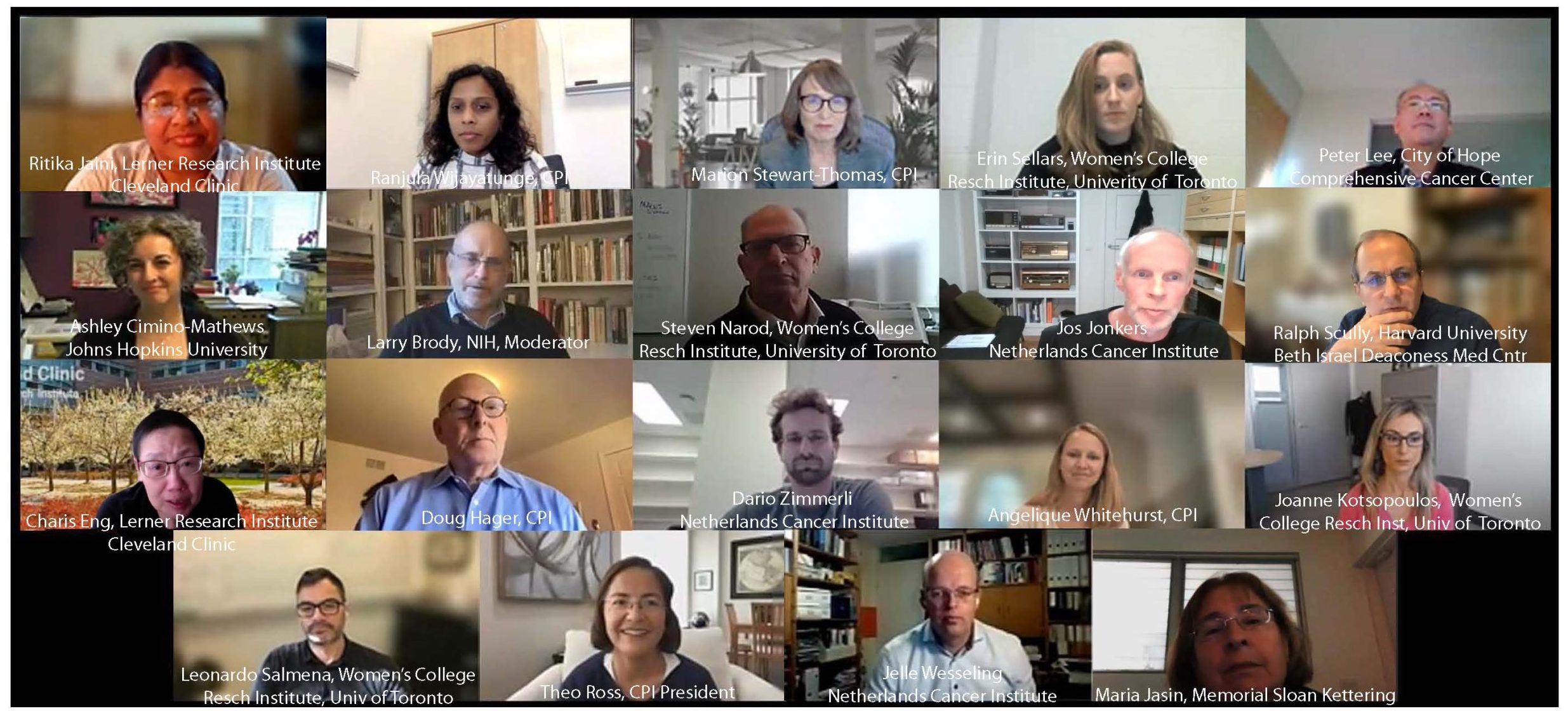
The inaugural Cancer Prevention Initiative (CPI) Research Meeting was held on November 10, 2021. This virtual meeting featured CPI-funded researchers from around the globe. The meeting presented a lineup of top scientists and interesting topics on approaches to cancer prevention. Not only did the researchers share their developing ideas, they exchanged their latest research findings thereby building a strong foundation for future connection and collaboration.
CPI President and Chief Scientific Officer Dr. Theo Ross opened the meeting by acknowledging the generous funding from the Lyda Hill Foundation that supported the meeting. Dr. Ross also highlighted the goals and mission of CPI as the backdrop for the research findings presented. She emphasized how key it is for CPI to enable the scientists’ work and disable roadblocks to discovery. She asked the scientists for feedback, either during or following the meeting, for how CPI can improve. Dr. Ross introduced the meeting’s esteemed moderator Dr. Larry Brody, Director of the Division of Genomics at the National Human Genome Research Institute at the National Institutes of Health. Dr. Brody has been a pioneer in the discovery of the genetic basis for breast cancer and investigation of the roles of BRCA1 and BRCA2 genes in preventing cancer.
The CPI-funded work featured two broad areas: immune-based cancer prevention and the prevention of cancers during the earliest step of pre-cancer formation.
Immune-based treatments of cancer have been successful in a number of tumor types. A key CPI question is: Can the immune system be harnessed through vaccination to prevent inherited tumors? CPI researchers who are focused on answering this question, presented exciting, positive results. A team including Drs. Jos Jonkers, Dario Zimmerli, and Jelle Wesseling (Netherlands Cancer Institute), Dr. Ashley Cimino-Mathews (Johns Hopkins University School of Medicine), and Drs. Charis Eng and Ritika Jaini (Cleveland Clinic) are working on vaccines that would specifically target BRCA1/2 mutated cells before they can proliferate into harmful tumors. In another approach, Dr. Peter Lee (City of Hope Comprehensive Cancer Center) discussed his results related to repurposing an FDA-approved antiparasitic drug that activates the immune surveillance system via “autovaccination” to prevent cancer initiation.
Other teams of CPI researchers presented their progress on preventing pre-cancerous cells from developing into full-fledged tumors. It is well known that precancerous cells develop in patients with inherited breast and ovarian cancer syndromes when a “good” copy of the BRCA1 or BRCA2 gene is lost. Efforts to learn when this event happens and find ways to restore the normal gene copy are key areas of cancer prevention research. Dr. Maria Jasin (Memorial Sloan Kettering Cancer Center) presented her team’s work to develop a test that measures this pre-cancer initiating step and to find chemical agents that lead to BRCA gene loss. In a complimentary study, Drs. Joanne Kotsopoulos and Leonardo Salmena, and Ph.D. candidate Erin Sellars (Women’s College Research Center at University of Toronto) discussed their efforts to restore the normal BRCA1 protein by screening for drugs that increase BRCA1 expression. Their screen also revealed numerous down-regulators of BRCA1, which when combined with PARP inhibitors are effective in eliminating non-BRCA1 mutated cancers. Dr. Ralph Scully (Harvard Medical School/Beth Israel Deaconess Medical Center) discussed his work to identify early biomarkers to improve risk assessment in individuals who have BRCA mutations, potentially tailoring prevention strategies on an individual basis.
The discussion of these diverse approaches highlighted CPI’s mission to prevent cancer or more effectively treat early cancers. To further the innovation and spark creative ideas that are key to this goal, Dr. Ross introduced the embryonic concept of a new CPI Innovation Award for cutting edge, risky ideas in the Cancer Prevention space. This will be the topic of another blog after more ideas for how this award will be administered and a commitment is made for funding.
The meeting was supported by generous funding from Lyda Hill Philanthropies. Plans for in-person research meetings in Dallas in 2022 and 2023 are already in the works.
Moderator:
Lawrence Brody, Ph.D.
Director, Division of Genomics
National Human Genome Research Institute
National Institutes of Health
Participants:
Dr. Ashley Cimino-Mathews, M.D. Presenter
Associate Professor, Johns Hopkins University
Johns Hopkins University School of Medicine
“Characterizing the mammary tumor immune microenvironment of BRCA1 mutation carriers”
Charis Eng, M.D., Ph.D.
Professor, Sondra J. and Stephen R. Hardis Endowed Chair in Cancer Genomic Medicine
Lerner Research Institute, Cleveland Clinic
“Transcriptome guided vaccine for BRCA1/2 germline mutation carriers”
Ritika Jaini, Ph.D. Presenter
Assistant Professor
Lerner Research Institute, Cleveland Clinic
“Transcriptome guided vaccine for BRCA1/2 germline mutation carriers”
Maria Jasin, Ph.D. Presenter
Professor, Lab Head
Memorial Sloan Kettering Cancer Center
“Preventing LOH in BRCA mutation carriers”
Jos Jonkers, Ph.D. Keynote Presenter
Professor, Senior Group Leader and Division Head
Division of Molecular Pathology, Netherlands Cancer Institute
“p53 SLP vaccination in Brca1dependent mouse model”
Joanne Kotsopoulos, Ph.D.
Scientist, Familial Breast Cancer Research Unit, Women’s College Research Institute
Associate Professor, Department of Pharmacology & Toxicology, University of Toronto
“Screening for modifiers of BRCA1 expression”
Peter P. Lee, M.D. Presenter
Chair, Department of Immuno-Oncology
Professor, Department of Hematology & Hematopoetic Cell Transplantation
City of Hope Comprehensive Cancer Center
“Chemo-immunoprevention for cancer via repurposing a low-cost, safe, anti-parasitic drug”
Steven Narod M.D., FRCPC, FRSC
Tier 1 Canada Research Chair in Breast Cancer, Women’s College Research Institute
Professor, Dalla Lana School of Public Health, University of Toronto
“Screening for modifiers of BRCA1 expression”
Leonardo Salmena, Ph.D. Presenter
Associate Professor, Department of Pharmacology and Toxicology, University of Toronto
Affiliate Scientist, Princess Margaret Cancer Centre
Canada Research Chair, Tier 2
“Screening for modifiers of BRCA1 expression”
Erin Sellars M.Sc.
Ph.D. Candidate, Salmena Lab
Department of Pharmacology & Toxicology, University of Toronto
“Screening for modifiers of BRCA1 expression”
Ralph Scully, M.B.B.S., Ph.D. Presenter
Professor, Harvard Medical School
Beth Israel Deaconess Medical Center
“Cancer risk predictors in the BRCA+/- epithelium”
Jelle Wesseling, M.D., Ph.D. Presenter
Professor, Senior Group Leader and Division Head
Antoni van Leeuwenhoek Hospital, Leiden University Medical Center
Netherlands Cancer Institute
“Immune response to BRCA1-associated Breast Cancer”
Dario Zimmerli, Ph.D. Presenter
Postdoctoral Fellow, Jos Jonkers Lab
Division of Molecular Pathology, Netherlands Cancer Institute
“p53 SLP vaccination in Brca1 dependent mouse model”
CPI team participants:
Doug Hager, Ph.D.
CPI Sr. Vice President, Project Management and Operations
Theo Ross, MD, Ph.D.
CPI President and Chief Scientific Officer
Marion Stewart-Thomas, M.S.
CPI Operations Manager
Angelique Whitehurst, PhD.
CPI Sr. Scientist and Advisor
Ranjula Wijayatunge, Ph.D.
CPI Project Manager
Expert Interview with Peter P. Lee, MD, on “Immune chemoprevention for breast cancer via repurposing a low-cost, safe, anti-parasitic drug”
Posted on January 02, 2021 –
D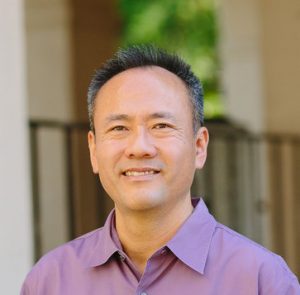 r. Peter P. Lee is Chair of the Department of Immuno-Oncology and co-leader of the Cancer Immunotherapeutics Program at the City of Hope Comprehensive Cancer Center in Duarte, CA. He is the recipient of the 2019, Award for Innovation in Collaboration, Stand Up To Cancer. In this interview, Dr. Lee discusses his experiences in the field of cancer immunology and what led him to investigate if an anti-parasitic drug could prevent cancer, a project funded by CPI.
What inspired you to become a physician-scientist?
I have been interested in medicine since college. Although I consistently worked in research laboratories, my desire was always to help patients, so I went to medical school to become an MD. During my general clinical training and hematology/oncology fellowship, I cared for many cancer patients but often was unable to help them. This made me realize that our knowledge on how to treat cancer was limited. The oncology community needed to do more and I decided to be part of the solution. I subsequently became more and more involved in research, and fell in love with translational research, the place between discovery research and clinical drug development. I became interested in understanding why the immune system – the body’s defense system – does not fully protect against cancer and how to fix that. This is how, over the years, my focus shifted to research.
You have led a number of innovative research programs and founded a company. Among all of these, what do you consider as your biggest accomplishment?
Science progresses by little steps and I have made quite a few little steps. One of the biggest paradigm shifts was the notion that the immune system matters in cancer at all. I have been involved in cancer immunology and immunotherapy for 25 years. I started in the mid-90s and at that time, the oncology field was focused on cancer cells. Few people believed that the immune system had anything to do with cancer. I wanted to challenge that notion and asked, “What if the immune system is trying to defend the body against cancer but its action is ineffective or turned off by the cancer cells?” To answer this question, I looked at a number of melanoma patients’ samples. I found that many patients had an anti-tumor immune response but immune cells were turned off and therefore could not defend the body against the cancer [1]. This observation helped to change the way we viewed cancer and the immune system and is perhaps one of my most significant accomplishments. It was pretty lonely back then, people thought I was crazy and wasting my time. In a game, there is an offense (cancer cells) and a defense (immune system). If you could understand the defense better and find ways to enhance the defense, you can perhaps win the game. This is what my research is about.
The project funded by CPI is about repurposing an anti-parasitic drug for breast cancer prevention. How did you get the idea for this study and why do you think Ivermectin is a good candidate for cancer prevention?
Over the last 5-6 years, it became clear that cells could die in different ways. Most of the time, cells die through apoptosis (programmed cell death). This cell death mechanism does not alert the immune system, and sometimes it even blocks it. Cell death occurs frequently in the body and you do not want the immune system to react every time a cell dies naturally. Cells can also die in a way that triggers an immune response and it is called immunogenic cell death. Several years ago, we realized that if we could induce immunogenic death of cancer cells and, at the same time, give an immune-based treatment, we could have an effective combination cancer therapy. Therefore we looked for an agent to induce immunogenic cell death. The National Cancer Institute has a database with information on the effect of drugs on cancer cell lines. We used a computational approach to find drugs that induced markers of immunogenic cell death as reported in this database. One of the hits was a drug called Ivermectin. I did not know much about this drug at the time. I found that Ivermectin had been around for 40+ years and used by millions of people to treat parasitic infections. I thought Ivermectin must be safe for people and proposed to test if it could be used for cancer. We started to test if Ivermectin induced immunogenic cell death in experimental cancer models in the laboratory. We found that cancer cells do not form tumors in animals that have already been exposed to Ivermectin-treated cancer cells. This finding demonstrated that Ivermectin has in vivo vaccination effect. Next we tested if Ivermectin synergized with an immune-based treatment such as anti-PD1. The combination of Ivermectin and anti-PD1 drugs showed good activity. We also used Ivermectin alone as a control and found that Ivermectin was actually triggering an immune response as shown by the presence of immune cells in the tumor. However Ivermectin by itself was insufficient to stop the growth of existing tumors. We were not surprised because an established tumor has already put in place mechanisms to block the immune response. (There are also other reasons why Ivermectin alone may not work in established cancers). However I thought, what if we give Ivermectin in a preventive setting before tumors are fully developed? Could we induce enough immunogenic death of growing cancer cells to auto-vaccinate people against the cancer? That is the hypothesis I wanted to test. I was fortunate and thankful to CPI for funding this research. We knew we had limited time and resources so we had to go with a spontaneous cancer model that gives tumors within weeks to months. This is not ideal because in humans, tumors can take many years to develop, but this cancer model was helpful to determine if the idea is worth pursuing. We found that Ivermectin had a significant effect in delaying cancer development. This is a promising start. Because Ivermectin is already an inexpensive, safe drug, it could be a very practical way to prevent cancer, even in emerging countries.
Where do you see the field of immunoprevention going in the future?
I have been involved in the field of immunoprevention for more than 10 years. I had the opportunity to work with the National Breast Cancer Coalition on their Artemis project. Their goal is to create a prophylactic vaccine for breast cancer. I was fortunate to be part of this effort for many of the early years and it brought together the world’s top experts in immune-based prevention and vaccine. The challenge with a vaccine against cancer is that unless there is a pathogen like the Human Papilloma Virus causing cervical cancer or the bacteria Helicobacter pilori causing stomach cancer, you are dealing with vaccinating against self or altered self so autoimmunity is a potential concern. The field is very interested in looking at mutations and how they lead to neo-antigens and use the neo-antigens to make vaccines. These are promising ideas but it is still challenging to create vaccines for cancer prevention (other than for pathogen-driven cancers). That is why I have been investigating alternative strategies like Ivermectin to auto-vaccinate patients.
Thank you!
Dr. Lee is the Billy and Audrey L. Wilder Professor in Cancer Immunotherapeutics. His full title is Chair, Department of Immuno-Oncology; Co-leader, Cancer Immunotherapeutics Program; Professor, Department of Hematology & Hematopoietic Cell Transplantation. Dr. Lee is also the Founder of the OSEL, a startup company focused on the development of Live Biotherapeutic Products.
Reference
- Lee PP, Yee C, Savage PA, Fong L, Brockstedt D, Weber JS, Johnson D, Swetter S, Thompson J, Greenberg PD, Roederer M and Davis MM. Characterization of circulating T cells specific for tumor-associated antigens in melanoma patients. Nature medicine. 1999; 5:677-685.
Expert Interview with Charis Eng, MD, PhD, on “Genetic testing, a personalized tool to build a roadmap to manage inherited cancers”
Posted on November 09, 2020 –
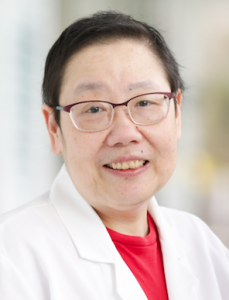
Dr. Charis Eng is the Director of the Genomic Medicine Institute and its Center for Personalized Genetic Healthcare at the Cleveland Clinic. Her clinical and basic research teams use state-of-the-art technologies to improve on the diagnosis and treatment of patients with inherited conditions. Dr. Eng’s laboratory investigates how inherited gene mutations increase cancer risk and determines if existing drugs can reduce that risk. Among many other discoveries, her laboratory has found that mutations in the PTEN gene predispose to many cancers, as well as to autism. In this interview she discusses her career path towards becoming a geneticist. She also discusses genetic testing and the key role of basic research for the diagnosis and management of individuals with a high risk for cancer. Dr. Eng is a member of the National Academy of Medicine and a recipient of the 2018 American Cancer Society Medal of Honor for clinical research.
What inspired you to become a geneticist?
I was inspired to become a physician at four years of age by one of my uncles on my mum’s side. He was a great clinician and mentor. When I was in 4th grade in Singapore, which is where my family, including my uncle, lived, I started learning about great biomedical discoveries: the microscope, Pasteur and vaccination, bacteria, etc. I knew I wanted to be a physician-scientist. By serendipity, my father was selected to attend the University of Chicago to do a PhD, and my mother and I joined him. I enrolled at the University of Chicago Laboratory Schools, and had several inspiring teachers, especially a biology teacher who taught us genetics. In his spare time, he discussed cancer education. This is the spark that inspired me to merge cancer and genetics. From that time on, I worked my way toward that end.
I did my Bachelors at the University of Chicago and was mentored by the late genetics Professor Ed Garber, and continued on at the University of Chicago for my PhD and MD. I trained in Internal Medicine at the Beth Israel Hospital in Boston and in Medical Oncology at Harvard’s Dana-Farber Cancer Institute. At the “Farber,” a senior professor, Dr. David Livingston, knew about my interest in Cancer Genetics. He suggested I train in Genetics either in the US or in Cambridge, UK with Prof. Bruce Ponder. Without hesitation, I chose to train with Prof. Ponder. Why? Because Prof. Ponder had strengths at the bench and the clinic. The training I would have received elsewhere would have been only at the bench. The key is to bring discoveries from research to people. As I tell my trainees, as physicians, we will touch patient lives one at a time, but if you are a great medical researcher and do it right, you will improve the lives of millions of people around the world. And that is my philosophy.
What do you consider as your biggest accomplishment?
I have led my ideal academic life bringing my work at the laboratory bench to the patient’s bedside. My team has discovered and mapped the PTEN gene, and we found it is critical for suppressing breast, thyroid, and other cancers. Because of our work, we can help people who have inherited mutations in this gene. Our work together with others has informed practice guidelines that include enhanced cancer screening leading to early detection and cure.
When I was recruited to the Cleveland Clinic, I founded the Genomic Medicine Institute (GMI). It is a single platform for research, education, and clinical work. The clinical arm is called the Center for Personalized Genetic Healthcare, and it is where discoveries from the lab can be translated. The clinical arm enables the uptake and enrollment of individuals with inherited conditions, not just in cancer. The GMI is a single platform for the whole of genomic medicine, and it includes pharmacogenomics.
Genetic testing. Why is it important for individuals to get tested and know about their risks of getting cancer?
When I returned from Cambridge, UK, in 1995, a handful of us started up cancer genetics clinics. Our goal was to translate the discovery of genetic mutations that cause cancer to effective treatments and prevention. A genetic analysis includes genetic testing and taking family history both of which can provide data to guide patient care.
There are about 400 inherited cancer syndromes with associated genes, and each gene is different. By determining what specific gene is altered, we are able to predict what cancer or cancers that person is at risk for, when the cancers will appear, and, as a result, how to change the clinical care. Genetic testing is a way to predict what cancer someone is at risk for and improve their care. It is patient-oriented, it is all about the patient and their family.
Could you tell us more about the role basic research has to play in improving genetic testing?
It is not just about discovering a new gene. That is obviously part of it, because if there is no gene, there is no genetic testing. And when there is no genetic testing, there is no personalization of care based on the gene. However, knowing just about the gene could be useless. Knowing about what phenotype is associated with the genetic mutation is what makes it useful. For example, PTEN was originally called the breast/thyroid cancer gene. As more work was done, we now know that it also predisposes to uterine, kidney, and colon cancer. We know when the age of risk rises. We know where cancer occurs, and we know how to enhance clinical surveillance. We even know how to advise on prophylactic surgery.
When a gene is translated into a protein, what does it do? It affects other proteins, and that affects processes. When a gene is mutated, molecular processes are changed. With that come targeted therapies. These treatments act against the processes that are changed. Targeted therapies are not new in cancer, but they are newish for people with inherited gene mutations that predispose to cancer. The entire scientific and medical community participates in the discovery and development of targeted and other therapies. Basic scientists discover the deregulated pathways, drug development colleagues select the molecules that are potential drugs, translational scientists conduct preclinical studies and early safety trials and late drug developers design and prosecute late phase clinical trials. Everyone collaborates. Developing a targeted therapy is a long road that of course we should always seek to shorten.
I also want to emphasize that limiting our studies to cancer genetics is not enough. For example, PTEN mutations predispose carriers to autism spectrum disorders as well as cancer. By determining that one gene can be part of two different diseases and studying these two different diseases, they can inform each other and accelerate the development of new therapies.
Where do you see the future of genetic testing going?
Everyone should get genetic testing. Why are we not doing that now? Because we find things called variants of unknown significance, and we do not know what these variants mean. Once we know exactly what every variation means and what it predisposes to (or to nothing at all), then genetic testing becomes a roadmap to the prevention of disease.
A gene mutation is not crippling. It gives information that guides therapy, decreases mortality and decreases morbidity. We have all the components for everyone to get genetic testing and a roadmap to managing inherited diseases. We have virtual visits and a lot of digital technologies and artificial intelligence to help us, as well. Our genetic counselors can use all of this information to help us be proactive to prevent illness.
Thank you!
More information on how basic science is brought to the clinic to develop personalized healthcare at the Cleveland Clinic can be found here.
Dr. Eng’s titles are:
Chairwoman, Genomic Medicine Institute
Sondra J. and Stephen R. Hardis Endowed Chair in Cancer Genomic Medicine
American Cancer Society Clinical Research Professor, Cleveland Clinic Lerner Research Institute
Chairwoman and Director, Center for Personalized Genetic Healthcare, Cleveland Clinic Community Care and Population Health
Professor and Vice Chair, Department of Genetics and Genome Sciences
Leader, Germline High Risk Focus Group, Comprehensive Cancer Center, Case Western Reserve University School of Medicine
Expert Interview with Heather Hampel, MS, LGC, on Genetic Testing and Lynch Syndrome
Posted on October 01, 2020 –
Professor Hea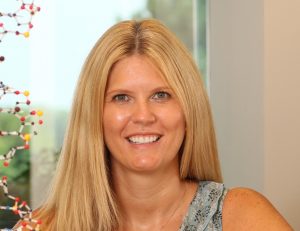 ther Hampel is the Associate Director of the Division of Human Genetics at the Ohio State University. She is a cancer genetic counselor, and an expert on Lynch syndrome. Heather Hampel has published over 250 articles in renowned medical journals. She served as President of the American Board of Genetic Counseling in 2009 and 2010, and as the President of the Collaborative Group of the Americas on Inherited Colorectal Cancer in 2017-2018. Here, Professor Hampel explains the importance of genetic testing and early diagnosis of Lynch syndrome to prevent cancers in families. She also discusses universal tumor screening for Lynch syndrome, the use of aspirin and the development of a vaccine for the prevention of Lynch syndrome-associated colorectal cancer.
How has the field of cancer genetics evolved since you started?
I have been working in cancer genetics since 1995. I started at the Memorial Sloane Kettering Cancer Center 6 months after the BRCA1 gene was discovered and 6 months before the BRCA2 gene was found. It was an exciting time to join the field and see all these discoveries happen. The differences between what we could offer patients back in 1995 and what we can offer them in 2020 are tremendous. Genetic testing, in particular for Lynch syndrome and BRCA1/2 cancers, was not commercially available to the public until November 1996. Back then it would take 6 months to get the results, some patients would be deceased by this time, and it would cost thousands of dollars. It has been really great to see the field of genetic counseling grow and improve over the last 20 years.
What is Lynch syndrome?
Lynch syndrome is the most common inherited form of both colorectal and endometrial/uterine cancer. It is almost as common as hereditary breast and ovarian cancer syndrome due to mutations in the BRCA1/2 genes, but it is very under-recognized. Lynch syndrome is caused by inherited mutations in one of the genes involved in DNA repair in our body. Individuals with Lynch syndrome are at higher risks of getting, not only colon and endometrial cancers, but also stomach, ovarian, pancreatic, urinary tract, biliary and specific cancers from sweat glands in the skin and rarely brain tumors. In addition, cancers can occur multiple times.
I like to tell my patients that the Lynch syndrome genes are sort of the spellcheckers in our body. Just like when you are writing a text or an email your spellchecker corrects your spelling without you thinking about it, the Lynch syndrome genes do that for our DNA. As the cells are dividing and replicating their DNA to make new cells, they also make spelling errors. These errors are important because they are in our genes. The Lynch syndrome genes encode proteins that can recognize those mistakes and fix them. Lynch syndrome genes are very important genes; we all have them and we want them to be working. Individuals who inherit Lynch syndrome are born with one of the spellchecker genes not working in every cell of the body. This puts them one step closer to getting a cancer. Luckily, their other copy [everyone gets two copies of each genes, one from each parent] will work and will compensate for many years. But the odds are high that one day the working copy will stop working in one of the at-risk organs, such as the colon or uterus. When that happens, people are not going to get cancer instantly. They are going to accumulate genetic mistakes that occur naturally over time but now they will be unable to fix those mistakes. When cells accumulate enough of these mistakes, they start to grow too fast, do not die when they should and they become a cancer.
Genetic testing lets people know whether or not they were born with a mutation in one of the Lynch syndrome (spellchecker) genes. The limitations of genetic testing are that we do not know when the second copy is going to stop working and what kind of cancer individuals with Lynch syndrome will get. We know which people are at risk and we can at least increase surveillance and prevention. We also do not know how many times a cancer is going to happen. We had an 83 years old patient who had an endometrial cancer and colorectal cancer five times since her 30s. She was not diagnosed with Lynch syndrome until after her fifth tumor, when she was in her 80s. The sad part of that story is that perhaps we could have prevented some of her many cancers if she was diagnosed sooner. Furthermore, between her first cancer and her last, her son developed colon cancer in his 40s and died. Such deaths could really be preventable if Lynch syndrome could be recognized and cancer patients were referred earlier to genetic testing. A lot of Lynch syndrome cancers are amenable to screening and prevention, which makes the diagnosis very important. However, people with Lynch syndrome do not always get cancer. That is very exciting too and probably an area we should study a little more. These individuals may have protective genes that keep them from getting cancers. Overall we have come very far and we are able to tell people whether or not they have inherited the spellchecker gene mutations.
What is the biggest challenge in preventing Lynch syndrome?
Lynch syndrome is very common. One out of 279 individuals has Lynch syndrome. There are pretty good estimates that 90% of people with Lynch syndrome are not aware of their diagnosis. It is completely under-diagnosed. I think that physicians and the public are starting to be aware that breast and ovarian cancers can run together in the family. However many people are not aware that colon and uterine cancer can run together in the family. People do not make the connection when someone’s sister has uterine cancer and their dad has colon cancer. The two cancers seem unrelated. People are embarrassed to talk about their colon and their rectum. All those things have led to Lynch syndrome being under-diagnosed, which is a real shame when preventive options are extremely effective. These are lost opportunities to prevent deaths. We need to educate the general population, cancer patients and healthcare providers how accessible and affordable genetic testing is so that everyone can benefit from it.
Could you tell us more about the concept of universal tumor screening for Lynch syndrome?
We believe that 3-4% of all colorectal and endometrial cancer patients have Lynch syndrome. It is about 1 in 25 patients. Given that Lynch syndrome is an autosomal dominant cancer predisposition syndrome, this is high. That means that not only the patients but also their close and extended relatives, i.e., children, parents, sisters/brothers, aunts/uncles, cousins, are at risk of having Lynch syndrome. Relatives may not have cancer yet. Making the diagnosis is an opportunity to keep them from getting cancer in the first place.
I have been working for the last 20 years to promote universal tumor screening program for Lynch syndrome on all colorectal and uterine cancers. This program is about screening all patients diagnosed with colorectal or uterine cancer to see if they are more or less likely to have Lynch syndrome and following this up with genetic testing in the high risk individuals and their family members. It took us many years to show that it was feasible, cost effective and could save lives. Universal tumor screening is now recommended by the National Comprehensive Cancer Network – a body that makes recommendations for cancer patients screening, treatment and identification of hereditary cancer syndromes. However, universal tumor screening is not implemented everywhere because the healthcare system in the US is very fragmented and each hospital decides on implementing it or not. This system contrasts with the UK and their nationalized medicine system. In February 2019, a law was signed that every colorectal cancer patient in the UK will be screened for Lynch syndrome at the time of diagnosis. The whole system can be changed with one decision whereas in the US it takes a lot of discussions. As a result, there are some estimates that in the U.S., as few as 23% individuals with colorectal and endometrial cancers are getting screened at the time of diagnosis. It is a missed opportunity because these screening tests could identify patients with Lynch syndrome and they could benefit from surveillance.
Knowing if a colorectal cancer patient has Lynch syndrome is important to make surgical decisions. Typically, when someone has colon cancer only the part of the colon with cancer is removed. The goal is to remove as little colon as possible. Because people with Lynch syndrome have such a high chance of getting a second colon cancer in their lifetime, the recommendation is to remove the majority of the colon. It is a tough decision. I work in this area and screen individuals for Lynch syndrome on their biopsy specimen when they are originally diagnosed with colon cancer. I try to provide genetic counseling and testing before they make a decision about their upcoming surgery.
What are the preventive therapies available for Lynch syndrome?
Aspirin is the only chemoprevention available. A study in Europe suggests that Lynch syndrome patients taking 600 mg aspirin daily for at least 2 years can see a benefit. A statistically significant decrease of 65% in the number of colorectal cancers has been demonstrated. This is tremendous. Aspirin also appeared to reduce the incidence of the other Lynch syndrome-associated cancers, like uterine cancer although that was not statistically significant. A concern is that this amount of aspirin may cause bleeding issues and ulcers. A follow up study evaluating optimal aspirin doses and duration of treatment is going on in Europe. They compare daily baby dose aspirin (81 mg) to 1 (300 mg) and 2 adult doses (600 mg). In the US, we have all Lynch syndrome patients consider aspirin. We always tell patients to ask their primary care providers before starting with an aspirin regimen because if they have other reasons for bleeding tendencies that would be a poor choice for them. Otherwise most patients can tolerate aspirin pretty well. It is pretty exciting, easy to take and inexpensive.
Vaccines. A lot of scientists are working on a vaccine for Lynch syndrome associated-cancers. The fact that immunotherapy works well with Lynch syndrome suggests that a vaccine could work. When someone with Lynch syndrome develops a tumor, the tumor produces elements called neo-peptides that a body without Lynch syndrome does not produce. The set of produced neo-peptides is predictable, and researchers are developing a vaccine against these neo-peptides. With the vaccine, our body’s immune system will be able to recognize and attack cells that produce these neo-peptides, potentially preventing cancer. One question is how early in the development of colon cancer these neo-peptides are produced. We helped with that research by providing precancerous colon polyp samples from individuals with Lynch syndrome. If these neo-peptides are already present in precancerous polyps or adenomas, we could prevent these adenomas in the first place.
Our goal in identifying people with inherited syndromes is to keep them from getting cancer, and a preventive vaccine would be the ultimate achievement. Knowledge is power and not knowing you have Lynch syndrome can have bad consequences.
Thank you!
Expert Interview with Ian M. Thompson Jr., MD, on the Prostate Cancer Prevention Trial
Posted on September 02, 2020 –

Dr. Ian Thompson Jr. is a renowned urologic oncologist and visionary whose work is transforming prostate cancer care. He is the President of the CHRISTUS Santa Rosa (CSR) Medical Center Hospital and Vice President of Oncology of the CSR Health’s System in San Antonio, TX. He has played a leadership role in several pre-eminent national committees and medical societies and is on the National Cancer Institute’s Board of Scientific Advisors. He is a retired US Army Colonel who served as a general surgeon in a Combat Support Hospital during Operation Desert Storm/Shield in Saudi Arabia and Iraq. Dr. Thompson is a prolific medical researcher and a leader in the field of cancer prevention. He led the Prostate Cancer Prevention Trial (PCPT), the most extensive prostate cancer prevention study ever done. Here, Dr. Thompson shares his insight on the PCPT, its origins, success and challenges.
What started the PCPT trial?
The genesis of the Prostate Cancer Prevention Trial (PCPT) [1] goes back to the 1980s. Back then there was a mass-roll out of Prostate Specific Antibody (PSA) screens and a spike in prostate cancer cases. There was a serious concern of tremendous overdiagnosis, overtreatment, and consequences thereof. People were very concerned about that. Concurrently, the Food and Drug Administration (FDA) approved Finasteride to treat male pattern baldness and use for prostate enlargement/benign prostate hyperplasia (BPH). There was an understanding that the drug could be a preventive agent for prostate cancer. It had been discovered that some groups of children, who were born with a form of intersex, and were genotypically male but phenotypically female until puberty, did not develop BPH or prostate cancer. These children had a genetic variant of 5-alpha-reductase, an enzyme that converts testosterone into dihydro-testosterone. The question was if Finasteride, the drug used for BPH and male baldness and a 5-alpha-reductase inhibitor, could be used to prevent prostate cancer. The Board of Scientific Advisors at the Division for Cancer Prevention and Control, as it was known at that time, recommended a study to examine whether Finasteride could prevent prostate cancer. The development of the trial is a very complex and long story. There were multiple iterations of potential designs and endpoints. It was decided that subjects would be exposed to the drug for 7 years, like the Breast Cancer Prevention Trial with Tamoxifen. The study included a biopsy at the end of the 7 years because of concerns we could not completely control for the effect of Finasteride on PSA, which is the prime driver of diagnosis of prostate cancer. That was probably the best aspect of the trial; ultimately, it not only helped us to understand the results but changed the practice of medicine. We observed a 25% reduction in relative risk of prostate cancer; however, high-grade tumors were more common with Finasteride. We did not know at the time that Finasteride improved the detection of PSA and high-grade disease; this is mainly because Finasteride improves the performance of prostate biopsy because the gland gets smaller. It took us another 5 years to figure that out [2]. In January 2019, we published the data to show that Finasteride did not cause an excess in prostate cancer mortality and that there was a non-statistically significant reduction in cancer mortality [3]. We are currently working on matching participants of the trial to the Medicare database and we are looking at what complications are associated with the treatment. This is the short story, and a 5 minutes description of 30 years’ work!
What are the challenges of doing a cancer prevention trial?
The PCPT was feasible because the leadership at the Division for Cancer Prevention and Control, as well as the pharmaceutical company, Merck, were very engaged in making this trial happen. This was with the full understanding that if the drug worked, it would probably be off-patent by the time it could be used for chemoprevention. Furthermore, even if it worked, there are going to be naysayers who focus on side effects. Certainly, we do know that Finasteride can cause some sexual type of adverse events in some folks. An entity called the Post-Finasteride Syndrome has been postulated but the extent is not known. We hope to address this in our ongoing research. Cancer prevention trials are challenging because you never know when you have been successful. This is the tragedy of cancer prevention; you can never choose a person you know you would be successful with. In contrast, if you have a cancer patient with an indolent tumor that was never to cause a problem, and treat this patient, and this patient has not died of the disease, it is common that those people claim that this doctor or system saved that person’s life. Conducting cancer prevention trials is very rewarding, but it has also been very challenging. Because of the way drugs are approved and because of the duration that is required for trials, chemoprevention is always going to be the poor stepson who will get little interest from pharmaceutical companies. Even if you found a variant that predisposes to prostate cancer and could be targeted by Finasteride, I doubt that anyone would investigate it now because Finasteride is a generic now, and the FDA registration process is expensive. And then, look at what is happening with other preventive agents that are sold over the counter. Let’s take, for example, the vitamin E story. At one point, 75% of men at high risk of prostate cancer were taking vitamin E. Subsequently in the SELECT study, we found that vitamin E increased the risk of prostate cancer by 17% [4]. If you check on an aging male population, you will find out that a lot of men are taking a lot of stuff that no one has any idea of what effect it has on cancer risk. So, cancer prevention is a quicksand field to be in.
What are the other outcomes/findings of the PCPT trial?
The most important finding is the significant reduction in cancer risk by Finasteride. Another important finding is that PSA is a remarkable and unparalleled marker for prostate cancer. PCPT enabled us to prove that. PSA has received a lot of bad press. It was originally thought that PSA was not elevated in high-grade disease. We now know that PSA is even a better marker for high-grade disease. We were subsequently able to show multi-variable layers of risk. You can layer on multiple markers to predict if prostate cancer is a high-risk disease. We were the first in the field to develop a patient-centric, understandable risk assessment tool for prostate cancer https://riskcalc.org/PCPTRC/. Kudos to Dr. Donna Ankerst, who was on the faculty at the Hutch and is now in Germany! She was the statistician who put all that together. Then, I really think the most interesting thing that came out of this was that we can now look at all the bias that comes up in terms of detection. Dr. Cathy Tangen’s paper in JCI shows how family history and other factors can impact detection [5]. If a man has cancer but the doctor or the patient decided to not perform a biopsy, even though cancer is present, he doesn’t have cancer, as there is no biopsy to prove it. Some variables may bias to have a biopsy and may therefore increase the risk of a cancer diagnosis. Systemic bias plays a major role in 1) biomarkers prediction risks and in 2) observations that are related to preventive agents. If people who have an exposure to preventive agents, such as aspirin, statins, exercise, etc., also have an inherent increased or decreased likelihood of having a biopsy, the exposure would be found to be associated with cancer risk. This conclusion may lead to actions on the part of the general public and may paradoxically place them at greater risk of disease. Let’s take aspirin, for example. In a study, aspirin was associated with a 25% risk reduction in prostate cancer. But when we controlled for men’s propensity to actually have a biopsy, we found that there was no protective effect of aspirin on prostate cancer [6]. All of these observations have nothing at all to do with Finasteride and cancer prevention but it shows how the investment in cancer prevention can advance medicine. You have to do so much planning for cancer prevention trials to account for biases in measuring your endpoints that the ability to understand the data may be better than with other trials, or observational studies, and so you can understand more about cancer biology.
What would you say to physicians who want to go into cancer prevention?
Start young because the read-out comes many years or decades later! But from a professional standpoint, cancer prevention has been unequivocally the most interesting experience I had. The impact we had on humanity has been tremendous. But be prepared for people taking shots at you, you will certainly have this experience. The other thing to think about from a professional standpoint is that people who work on cancer prevention are some of the most thoughtful people I know, as well as people who are most interested in humanity. If you look at the way the healthcare system is set up in the US, it is mostly fee-for-service; providers are paid to do things: see patients, do tests, do procedures. By definition, individuals who are working in a field that is trying to put them out of business, generally have their heart in a good place. You will find no sweeter, nicer, more committed people than in the field of cancer prevention.
What does the future of cancer prevention hold?
The time for large-scale prevention trials is largely over. That being said, all of us have witnessed firsthand what happens when population science is not properly overseen. COVID-19 has made us realized the importance of population science and the need for investing in prevention. We are living that now and our children, grandchildren and great-grandchildren are being placed at risk if we do not pay proper attention to it. So, if there was a time to invest in cancer prevention in a thoughtful way, maybe better ways of designing trials, using new biomarkers, identifying at-risk populations, the time is now. Unfortunately, the trials are not small and rarely can be accomplished quickly. With telemedicine and tracking people long-term at distance with surrogate measures, we may better understand how to reduce the impact of cancer on our patients. I have never met a person saying they would prefer to get a cancer and be treated and cured than to do something to prevent it in the first place. When we opened the PCPT, the volume of telephone calls received by the Cancer Information Service had never received so many calls in one day. The American public is interested in cancer prevention. The public is pitching the ball at us; we need to be prepared to catch it!
Thank you!
References
- Goodman PJ, Tangen CM, Crowley JJ, Carlin SM, Ryan A, Coltman CA, Jr., Ford LG and Thompson IM. Implementation of the Prostate Cancer Prevention Trial (PCPT). Controlled clinical trials. 2004; 25:203-222.
- Thompson IM, Chi C, Ankerst DP, Goodman PJ, Tangen CM, Lippman SM, Lucia MS, Parnes HL and Coltman CA, Jr. Effect of finasteride on the sensitivity of PSA for detecting prostate cancer. Journal of the National Cancer Institute. 2006; 98:1128-1133.
- Goodman PJ, Tangen CM, Darke AK, Lucia MS, Ford LG, Minasian LM, Parnes HL, LeBlanc ML and Thompson IM, Jr. Long-Term Effects of Finasteride on Prostate Cancer Mortality. The New England journal of medicine. 2019; 380:393-394.
- Klein EA, Thompson IM, Jr., Tangen CM, Crowley JJ, Lucia MS, Goodman PJ, Minasian LM, Ford LG, Parnes HL, Gaziano JM, Karp DD, Lieber MM, Walther PJ, Klotz L, Parsons JK, Chin JL, et al. Vitamin E and the risk of prostate cancer: the Selenium and Vitamin E Cancer Prevention Trial (SELECT). Jama. 2011; 306:1549-1556.
- Tangen CM, Schenk J, Till C, Goodman PJ, Barrington W, Lucia MS and Thompson IM. Variations in prostate biopsy recommendation and acceptance confound evaluation of risk factors for prostate cancer: Examining race and BMI. Cancer epidemiology. 2019; 63:101619.
- Hurwitz LM, Kulac I, Gumuskaya B, Baena Del Valle JA, Benedetti I, Pan F, Liu JO, Marrone MT, Arnold KB, Goodman PJ, Tangen CM, Lucia MS, Thompson IM, Drake CG, Isaacs WB, Nelson WG, et al. Use of Aspirin and Statins in Relation to Inflammation in Benign Prostate Tissue in the Placebo Arm of the Prostate Cancer Prevention Trial. Cancer prevention research (Philadelphia, Pa). 2020.
Expert interview with Michael B. Sporn, MD, the “Father of Chemoprevention”, on cancer prevention
Posted on August 05, 2020 –
Michael B. Sporn is an Emeritus Professor of Pharmacology, Toxicology and Medicine at Dartmouth Geisel School of Medicine. Before that, he was Chief of the Laboratory of Chemoprevention at the National Cancer Institute for 17 years. Dr. Sporn created the term “Chemoprevention” in 1976. He has devoted a large part of his career to the discovery of drugs for cancer prevention, including BRCA1-induced breast cancer prevention. One of his compounds was licensed to REATA Pharmaceuticals and is now in Phase 3 clinical trial for the prevention and treatment of advanced diabetic kidney disease. In 2018, Dr. Sporn founded his own company Triterpenoid Therapeutics, Inc. to develop and commercialize new compounds for cancer treatment and prevention. In addition to his research activities, he is a fervent advocate of cancer prevention and has written numerous articles to alert people on the importance and challenges of adopting a cancer prevention approach. Dr. Sporn’s accomplishments have been recognized by prestigious awards, including the 2002 American Association for Cancer Research (AACR)-Cancer Research Foundation of America Award for Excellence in Cancer Prevention Research. He is an Elected Fellow of the American Association for the Advancement of Science and AACR Academy and was a member of the President of the United States’ Cancer Advisory Board in 2007. Here, Dr. Sporn shares his views on the importance of cancer prevention in keeping people healthy. He explains why a change of mindset is necessary to overcome current obstacles to a cancer prevention approach and proposes some solutions.
Why is cancer prevention important?
I think that the need for prevention is intuitively obvious. Many lay people ask me, “We prevent heart disease, infectious diseases, why not cancer?”. The “War On Cancer” was launched 50 years ago and there have been spectacular advances in the treatment of various types of cancers. Still the total cancer incidence worldwide is rising and new forms of cancers are emerging. Pancreatic cancer for example was relatively rare 50 years ago, yet it is going to be the third leading cause of cancer death in 2030. Also lung cancers in women who do not smoke are on the rise. All these situations are opportunity for cancer prevention. We started working on cancer prevention more than 40 years ago with the notion that one could develop drugs to prevent cancer and also the notion that cancer is not a disease that starts all of a sudden: you are not cancer-free one day and the next day you get cancer. Cancer is a chronic disease. There is a very a long latency period in which people are not symptomatic. Still, there are changes going on and this is called premalignancy. Cells are becoming more and more dysfunctional, and that results in a lesion. Cancer heterogeneity increases with metastasis. How to fix the whole problem? The best way to fix it is at the beginning before it becomes so complicated. There is a period of many years in which one could intervene to stop the progression. We showed by giving various drugs to experimental animals we could prevent lung cancer, breast cancer, colon cancer, prostate cancer, even pancreatic, and all common forms of epithelial cancers. One big argument for cancer prevention is that it would save a lot of money. New immunotherapies cost half a million of dollars per person. We have to find some simple way, a pill, or a combination of pills that would keep people healthy. This is the way we have dealt with AIDS, people take several drugs. I think that for cancer prevention we will also end up ultimately with a combination of cheap pills. That is a dream from long ago. Meanwhile, young women who have a BRCA mutation are faced with the decision of removing breasts. But what should they do? All that we are offering right now is bilateral prophylactic mastectomy or watchful waiting. There should be a crash program for developing a practical drug regimen for preventing BRCA-induced breast cancers. We know it can be prevented in experimental animals but it has never been developed in a practical way for women. PARP inhibitors for example can prevent BRCA1 in experimental animals. There are drug regimens that could be developed in a safe way for BRCA-induced breast cancers.
Why has a cancer prevention approach not been adopted yet?
There is a great resistance to chemoprevention on the part of many, many people in the oncology community, medical schools, hospitals, big pharma and insurance industry to adopt this approach because most people in medical practice are thinking of curing end-stage diseases. Keeping people healthy is not reimbursable. We should have a medical system in which doctors are paid to keep people well and out of the hospital. You would get a bonus if your patients stay healthy. Instead we have fee-for-service medicine and financial incentive for treating people who are already sick. There is a total mindset about it. The insurance industry largely drives what is going on in medical practice. These are very complicated issues. In 1999, a working group of experts, i.e., epidemiologists, clinicians, pharmacologists, basic scientists, convened through the American Association for Cancer Research to talk about these issues and wrote a report about all this [1]. A very big impediment to cancer prevention is this question of side effects of any preventive drug. There is no drug which is totally safe. Commonly used drugs such as aspirin have side effects. Some people die of gastrointestinal bleeding and we still use aspirin. There is this misperception that people are healthy until they have invasive cancers. People with premalignant lesions are not healthy. In the case of heart disease, we convinced people that conditions prior to a heart attack are part of the disease process. If you have high cholesterol, high blood pressure, then you are at risk of heart diseases and you can take preventive drugs, such as statins that cut cardiovascular deaths. We have not got into that mindset for cancer. That is an entire educational aspect. Pharmaceutical companies are worried they could be sued if there is an issue with a patient on a preventive drug. If 1000 people take a preventive drug, and it works for 999 but 1 person out of 1000 is in trouble with an undesirable side effect, that can end up in a multi-billion dollar lawsuit. The way to deal with it, and we have written about this, is to get an insurance scheme. That is what we do with automobile. We lose 50,000 people/year with automobile accidents but we do not get rid of automobiles. Most people drive safely. We have insurance schemes, and people who are in the accident get reimbursed. The mindset is not oriented towards prevention. We are seeing unfortunately with the COVID pandemic exactly what happens when we do not provide prevention. We were warned by SARS there were risks of pandemic 10 years ago. But SARS went away and nothing was done to prepare for a pandemic because it costs money. And now we are paying for loss of over 100,000 lives with COVID and a cost to society of trillions of dollars. This could have been avoided if we had set up an anti-COVID prevention scheme. The same is true with cancer on a lesser scale. Cancer causes a huge numbers of deaths and many of them are preventable if we adopt an ethic of prevention. But we wait for people to be severely ill and we treat them often when it is too late.
How has the field of cancer prevention changed over the years
If I look over my career, there is less and less interest in doing cancer prevention research. Most of the people involved are emphasizing genetics and think that fixing one, or just a few genes will solve the problem. There is more and more evidence that epigenetics plays a role in cancer. There is not any one single thing that is going to be a magical cure, a magical prevention for cancer. A total approach to keep people healthy is needed. Eating better, exercising, a better lifestyle, and if your genetic burden is high enough, you are going to need a pill, or a combination of pills as well.
What could be done in the future to move cancer prevention forward?
That is not a scientific question. That is an educational, societal question. That will take people who are visionary leaders and people who are committed. You do not have to be a scientist.
Could you tell us more about your research programs?
We are very interested in natural compounds derivatives. Oleanolic acid is a natural compound derived from olive. It has weak anti-cancer, anti-inflammatory and anti-viral activities. It can be modified chemically to increase its activity thousands of times and make it into a more practical drug. That is what we have done in our research program. We have made over 500 derivatives of oleanolic acid and its relatives, ursolic and betulinic acids. These compounds can prevent lung cancer in experimental animal models as well as many other cancers. So these compounds could be developed into chemoprevention compounds for humans, but it is not very easy to do. Two years ago, I started my own company to develop our best new drugs for many applications, especially cancer. Our first clinical targets will be treatment of multiple myeloma and glioblastoma multiforme, if these studies are successful, then we would like to pursue clinical chemoprevention studies.
How did you get interested into discovering drugs for cancer prevention?
Making new molecules is what I like doing and what keeps me going. I am Emeritus now but I am busier than I have ever been. I still do a lot of new drug development under contract and with some collaborators.
Any other thoughts you would like to share with our readers?
We do not have the perfect drug or combination of drugs to prevent cancer. I have been spending my professional life to make better drugs. A long time ago, almost nobody would survive a heart surgery. Surgeons then developed better techniques and now hardly anyone dies from heart surgery. Similarly for cancer prevention, we need better technologies, and drugs are part of that, and then getting carcinogens out of the environment, stopping obesity, which is a principal cause of cancer and diabetes. It is a total push across the board. Better drugs, better lifestyle, and commitment to keep people healthy!
Thank you!
[1] Prevention of Cancer in the Next Millennium. Report of the Chemoprevention Working Group to the American Association for Cancer Research. CANCER RESEARCH (1999) 59, 4743 – 4758
Expert interview with Daniel Fleming Hayes, MD, on biomarkers for breast cancer
Posted on July 01, 2020 –
Dr. Hayes is Professor of Breast Cancer Research  and Internal Medicine at the University of Michigan Rogel Cancer Center, Ann Arbor, MI. He is a world-renowned medical researcher and oncologist in the field of breast cancer. He has been involved in cancer research and treatment since 1982. Dr. Hayes is a specialist in translational research, an area of research that moves pure scientific discoveries from the laboratory to the clinic. He is a pioneer in tumor biomarker research and has largely contributed to the discovery and development of biomarkers currently used to guide the treatment of breast cancer patients. Dr. Hayes has played a critical role in setting up guidelines to standardize diagnostic tests to ensure that every cancer patient can be tested in a consistent manner across the US. His achievements in translational medicine have been recognized by the prestigious Gianni Bonadonna Breast Cancer Award (2007) from the American Society of Clinical Oncology (ASCO). In addition to his research, he plays leadership roles at ASCO and was elected ASCO President for a three-year term from 2015 to 2018. In this interview, Dr. Hayes takes us back to the discovery of the first biomarker for breast cancer. He tells us how combining laboratory discoveries with clinical observations and the development of guidelines can lead to reliable diagnostic tests that help treat breast cancer patients. Then he gives us an outlook on what the future of biomarker discovery holds. Disclosures: Dr. Hayes receives research funding from Menarini Silicon Biosystems and CELLSEARCH®. He is the named investigator on a patent related to circulating tumor cells and receives royalties from CELLSEARCH®.
Could you tell us about your research interests?
My research interests are focused on breast cancer, more specifically on tumor biomarkers and translational medicine. Fundamentally this means identifying, testing and validating things that help us make more precise oncology. Precision medicine and personalized medicine are on track now and you cannot do that without biomarkers.
How would you define biomarkers?
Biomarkers are things in a tumor that help doctors guide the treatment of cancer patients, either by determining prognosis (perhaps a patient does not need therapy) or by determining whether a treatment is likely to work. For example, a drug may work in some people but not in others with the same cancer. Biomarkers can help doctors find out in which people the drug will work or not.
What are some examples of biomarkers for breast cancer?
Estrogen receptor and human epidermal receptor type 2 (HER2) are two good examples. In my opinion, estrogen receptor is the first breast cancer biomarker discovered. And HER2 is a biomarker widely used to treat patients.
How estrogen receptor was identified as a biomarker is an interesting story. It takes us back to the late1890s and to Sir George Beatson who was a surgeon in Glasgow and also raised dairy goats. He had learnt from farmers that dairy animals keep lactating when ovaries are removed. Sir George Beatson also took care of patients with breast cancer and he hypothesized that there must be some connection between the ovary and the breast. He thought that was neurologic because people did not know about hormones at this time. He took the ovaries out of three young women who had breast cancer. He was extraordinary lucky. A) The three women were menstruating. Had he done it in older women it would not have worked. B) At least two of these women had what we know now as estrogen receptor-positive breast cancer, because two of them responded but the third one did not. He monitored what happened to their breasts. He described first of all what we call now, locally advanced breast cancer, and second of all what we call, response. He did not have the semantics in those days. Ovaries removal became the therapy of choice for breast cancer. By the early 1970s, the observation was that ovary surgery was not working in everybody to stop breast cancer. In 1975, Elwood Jensen identified and cloned something called the estrogen receptor, out of a rabbit uterus, not out of a human breast. Then the late Bill McGuire, and also Marc Lippman, suggested using estrogen receptor as a marker to be more precise in the way we treated breast cancer. McGuire demonstrated that patients who had breast cancer negative for estrogen receptor did not respond to the treatment, while patients positive for estrogen receptor had a pretty good chance of experiencing a response. In other words, estrogen receptor is like a mark, a label. Breast cancers with that mark may well respond to treatment, those without do not respond. Doctors can find out which patients will respond to treatment by looking for this mark on the tumor.
How have things changed since you started working in this field? Were there any particular marking moments?
There are two aspects, the technical changes and the standardization of the tests used to detect the biomarkers. The molecular biology revolution started in the 1970s and 80s with the understanding of DNA, RNA, proteins, how to isolate them and how to analyze them. Then 20 years ago, we started to learn how to do high throughput proteomics, genomics, etc. We generated enormous sets of information to develop markers that could be quite helpful to treat cancer patients and breast cancer patients specifically. Over the years we have learnt how to take a molecular biology discovery, make it better with clinical observations and develop guidelines to have standardized tests to help treat breast cancer patients.
If we go back to the original assays for estrogen receptor, estimation of the amount of estrogen receptor in tumor tissue was performed by radioligand-binding tests. These tests are very difficult to do and the results were not as precise as people would have liked. The development of antibody work – monoclonal antibody for which César Milstein won the Nobel price in 1975 – allowed people to do another type of test called immunohistochemistry. Antibody-based tests are now the standard of care.
Nevertheless, for many years, the way biomarker detection tests were done was widely disparate. The American Society of Clinical Oncology (ASCO) and the College of American Pathologists (CAP) were developing guidelines on how to standardize biomarker detection tests without talking to each other. One of the things I am the most proud of is to have helped put together a joint committee between these two organizations to develop guidelines on how to do the test for the detection of HER2 in breast tumors initially, then for estrogen receptor, about 15 years ago. Now the way the tests are done is standardized, and we have updated those guidelines 2-3 times already. A patient who comes to be treated in Northern Michigan can have the same kind of results as the patient who comes to Ann Arbor because the tests are standardized. That is a fundamental change in the 35 years I have been in the field.
For estrogen receptor, it took 30 years to go from a really good idea, to the molecular biology that allowed us to identify what the marker was, to the technology that allowed us to make the marker better, to the guideline panel that standardize the way the assay is done so that all patients across the US can have the same kind of results.
The same story could be told for HER2 although the timeline is shorter.
What about BRCA1/2 breast cancer patients?
We can exploit abnormalities in the BRCA1/2 genes in terms of treatments. And now it has been pretty well demonstrated that PARP inhibitors work quite nicely in patients with BRCA1/2 mutations, at least in terms of metastatic disease – the adjuvant trials are ongoing. People are working hard to make sure that the tests for the detection of BRCA1/2 are standardized. It is a sequencing test, which is harder to mess up than antibody-based tests. We want to be right about what we tell the patient and we do not want to overtreat or undertreat people. The observation that BRCA1/2 patients respond to PARP inhibitors is leading to better outcomes for breast cancer patients. Again, we have learnt about BRCA molecular biology and the associated clinical outcomes, developed a drug for BRCA-related cancers and a test for the detection of BRCA mutations.
In recent years, we have heard about using liquid biopsies for cancer detection and monitoring. You have done a lot of work in the field of liquid biopsies. Can you tell us more about it?
I started working on circulating biomarkers – biomarkers found in blood – when I was a fellow at the Dana Farber Cancer Institute in the early 1980’s. I was assigned to a laboratory sort of against my will that was doing molecular pharmacology, which I did not like. However, my laboratory chief, Dr. Donald Kufe, put me on a collaborative project on breast cancer with a friend of his, Dr. Jeffrey Schlom, from the National Cancer Institute, and told me “I want you to find circulating markers in breast cancer”. “How do I do that?” I said. Ultimately we discovered circulating MUC1 and developed the CA15-3 assay for it, and it is now used around the world to monitor metastatic breast cancer.
The term “liquid biopsy” was first coined in 2009-2010 by Klaus Plantel from Hamburg to refer to any circulating marker that could be used to help care for patients with cancer, including proteins, nucleic acids, and circulating tumor cells. He is a giant in the field. Anything that comes out of a blood draw or urine is a liquid biopsy. Can we use this for screening healthy people? The closest is the prostate specific antigen (PSA), but it is not perfect.
More recently, the term liquid biopsy has been appropriated mostly to refer to circulating cell-free tumor DNA (ctDNA). There was a study published a month ago that looked at using liquid biopsies for cancer screening. It is a hybrid assay that measures circulating tumor DNA and tumor associated proteins in the blood. They asked all the tough questions and it is a very nice proof-of-principle study, but did not establish the use of ctDNA as a routine strategy for cancer screening. As for now, we do not have a liquid biopsy that tells a woman what to do in terms of treatment. More work is needed.
Where do you see the field going in the future in terms of biomarkers? What are you looking forward to?
Biomarkers from liquid and tissue biopsies should become complementary! Everybody wants one or the other, but the two categories should be complementary. With tissue biopsies, you get information on a lot of cells, in one organ. It is very good statistically but inform only on one place. You do not get information on other organs and it is in practice not feasible to do several organ biopsies or to do them serially. Liquid biopsies should give you information on the entire body and they can be more easily repeated in time in serial blood draws. In the long run, we need to find out which of these will give you a global picture of what is going on in the cancer.
We are trying to design new ways of getting more cells out of the blood for liquid biopsies. We have been working on a wearable device to capture circulating cancer cells to serve as biomarkers to monitor disease status. This is an exciting advance!
Thank you!